
Everybody lock in: we're playing with LEGOs.

The way your website content is structured matters.
Not just because structure impacts the way your users interact with the content on your site, but because a well-implemented structure makes for a more consistent, approachable content management experience for everyone – regardless of dev skills.
In our view, a modern content solution should:
Both structured and flexible content have their place in modern content architecture, and we usually recommend a mix of both to our clients. Here’s the breakdown of what each page type entails.
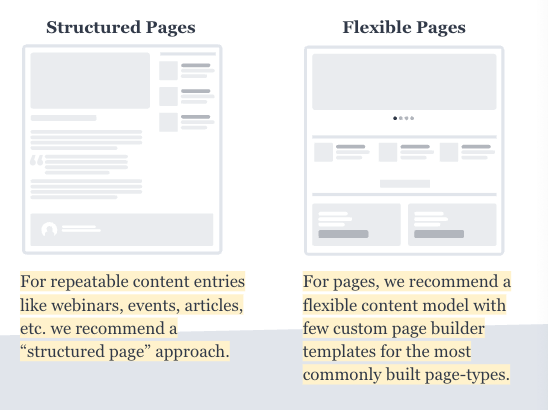
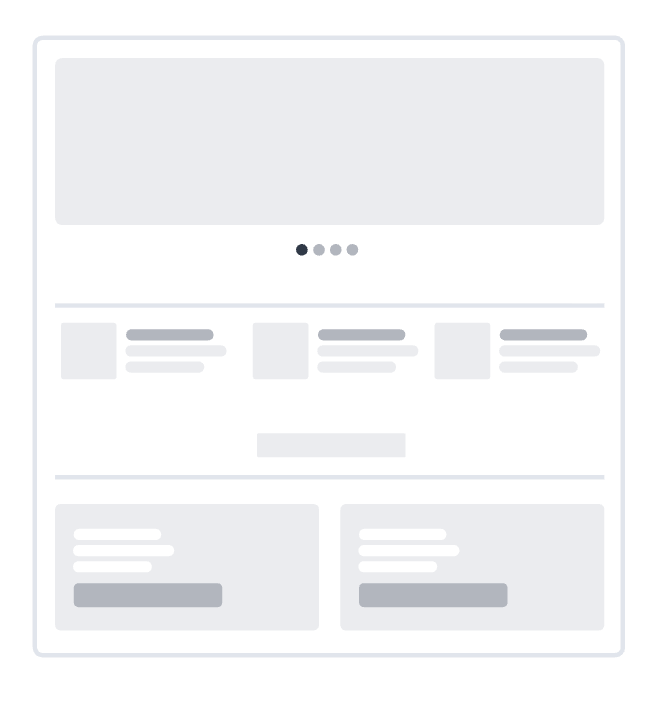
At their core, flexible pages are about reusability. Each component within the flexible page is designed to be moved and reused. The components are housed within a foundation, but they’re moveable within it — like furniture, or LEGOs. Once the pieces are designed and built, teams have the freedom to combine them in ways that feel purposeful and unique.
Rather than being locked into a predefined layout, editors can assemble content blocks — things like hero banners, card grids, testimonials, videos, event listings, or CTAs — in whatever order best supports the message.
Here’s an example of what that could look like.
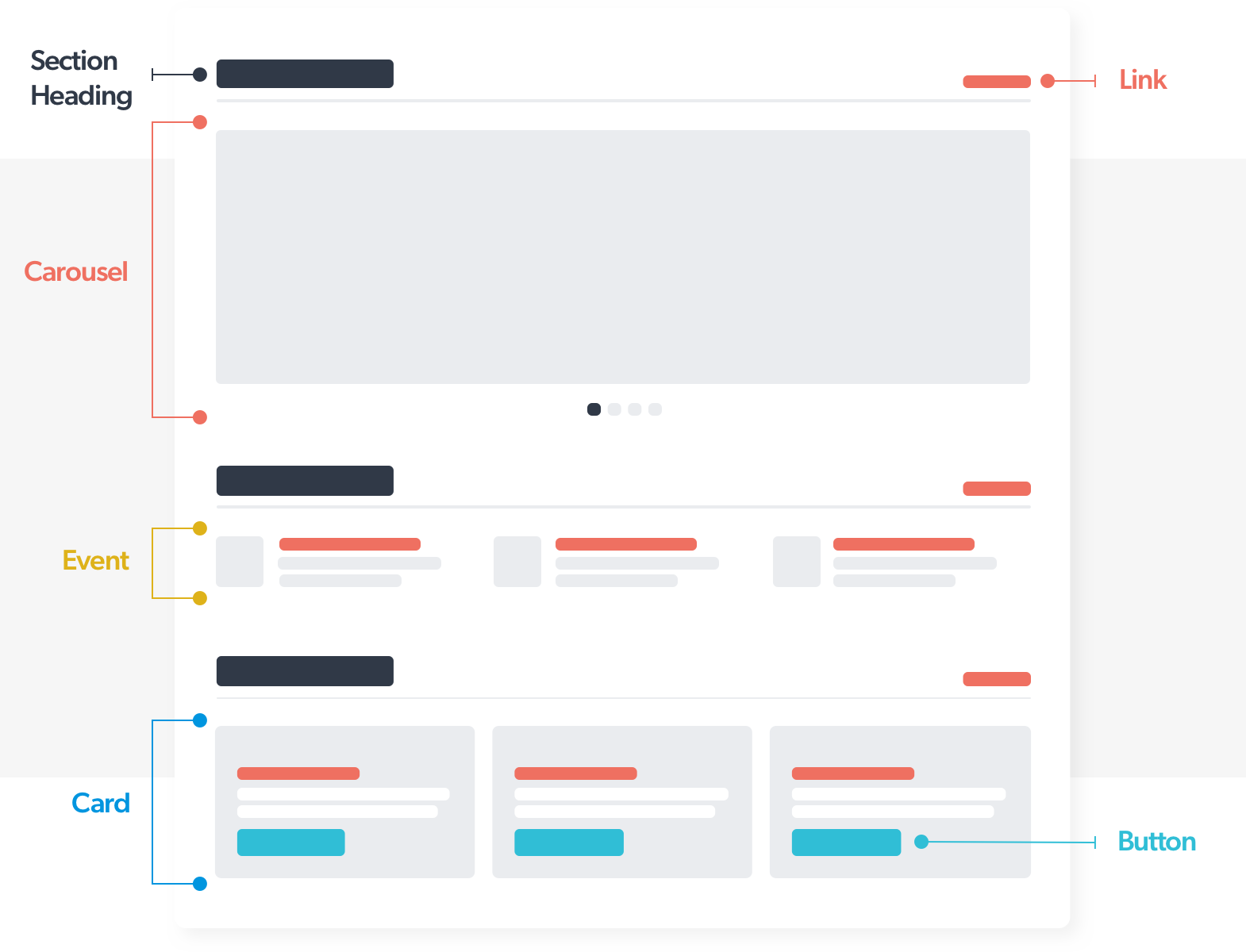
Setting up a flexible page model can initially be time consuming, but the end result is worth it. Every page is unique, not templated, so your website doesn’t feel repetitive or stale. Organic, composeable page creation makes page design feel fun – like playing with LEGOs.
To make page setup easy after the initial build, we integrate custom page builder tools into our clients’ CMS’s to allow users to quickly duplicate or scaffold new pages.
Flexible pages make it easier for non-developers to get in on the CMS action. You don’t need to know how to code in order to stand up a campaign landing page, an event page, or a new bio page. You just reuse the components that are already there.
Flexible pages aren’t the right solution for every type of content. Highly repeatable content like blog posts or product pages often benefit from a more structured approach. On the other hand, when a page needs to support unique messaging, campaign storytelling, or evolving layouts, flexibility becomes a major advantage. That’s why we like to utilize a hybrid model for clients. More on this later. First, let’s dive into structured pages.

Structured pages provide consistency, framework, and simple content entry. They’re great for repeatable content, like blog posts – content that you want to look the same across entries.
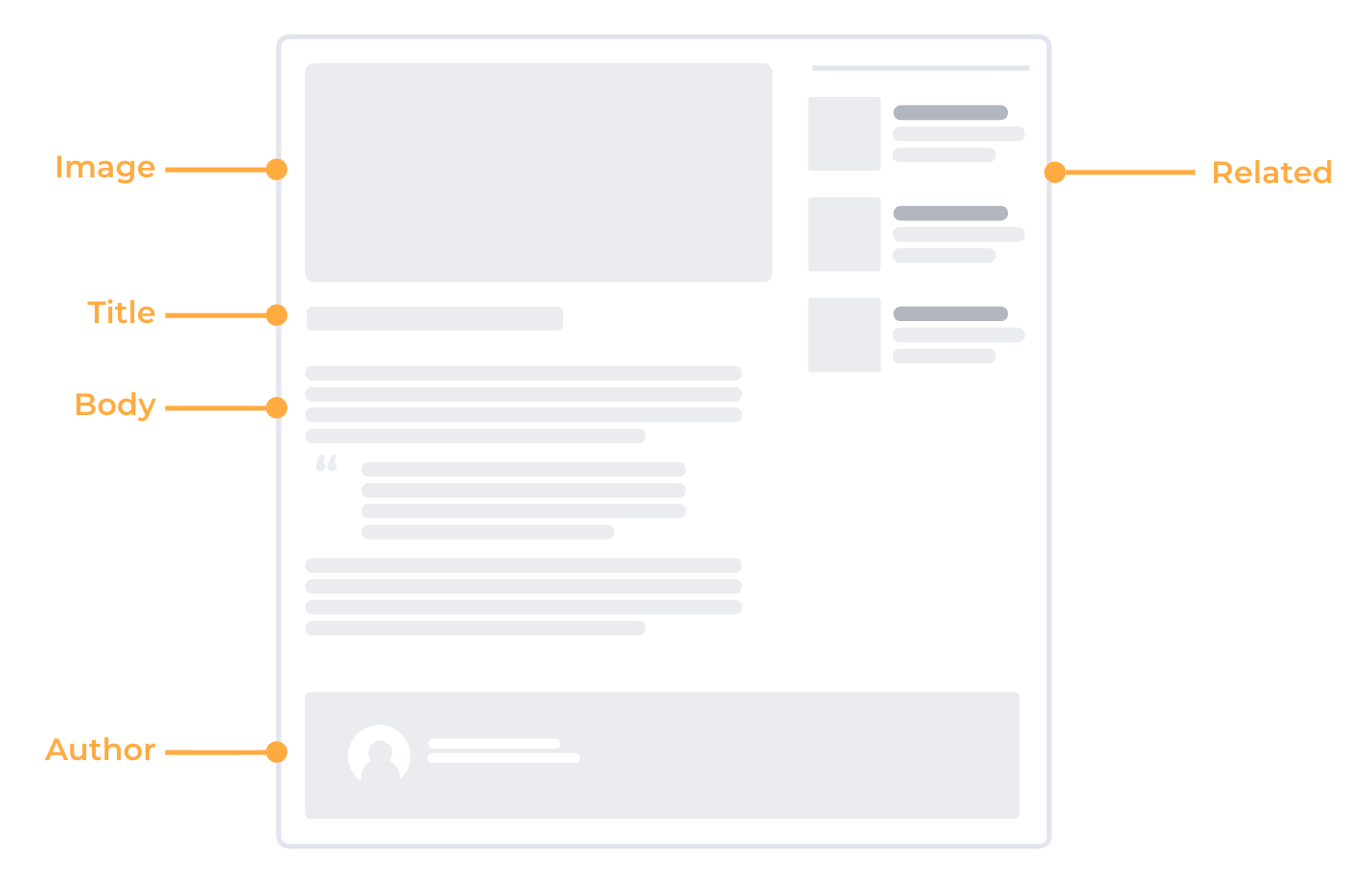
These types of pages are built around a predefined content model with clearly defined fields for every piece of content. Instead of assembling pages from reusable components, content editors follow a purposeful framework designed specifically for that type of content — whether it’s a blog post, product detail page, team profile, or news article.
Think of them more like a form entry than a LEGO play session. Each field has a specific purpose: title, author, publish date, featured image, body copy, related content, and so on. The structure removes guesswork and helps ensure content is entered consistently across the entire site.
In this house, we love the best of both worlds. That’s why we usually recommend a combination of both page types for our clients.
Flexible pages are ideal for your homepage, about, and careers – any page where creative freedom is paramount. That’s because well-designed components give you the flexibility to be creative without leaving you in free fall. Structured pages slot in perfectly for repeatable pages, like blogs, bios, video pages, events, and product pages. For these, giving users an intentional, visibly repeated experience just makes sense. You don’t need to LEGO a blog entry. With both of these page-types at your disposal, your website will deliver a dynamic, intuitive experience for both your users and your internal team.
If you’re interested in reading more about how flexible and structured pages fit together in the development process, check out our Developers’ Guide to Flexible Pages.

Sign up for our email newsletter. Nothing spammy about it. Just a monthly rundown of what we’re sharing.
